
Mobility vs flexibility: What do you actually need?

Updated: 3 days ago
You’ve probably heard both terms thrown around in the gym or on social media — mobility and flexibility.They’re often used interchangeably… but they’re not the same thing.
It’s very common to hear “I feel really tight — I think I just need to stretch more.” And while that can be true… it’s not always the full picture.
Many people spend a lot of time stretching, but still deal with stiffness, discomfort, or even ongoing pain when training or exercising. In many cases, these symptoms are related to poor movement control, mobility restrictions or underlying sports-injuries rather than flexibility alone.
The answer usually comes down to understanding the difference between mobility and flexibility — and knowing which one your body actually needs.
What is flexibility?
Flexibility is your ability to stretch a muscle and reach a certain position.
Think of classic stretches; touching your toes, pulling your quad, holding a hamstring stretch. In these situations, you’re not actively controlling the movement — you’re simply allowing the muscle to lengthen.
And while flexibility is important, it’s only one piece of the puzzle when it comes to preventing injuries and improving movement quality.

What is mobility?
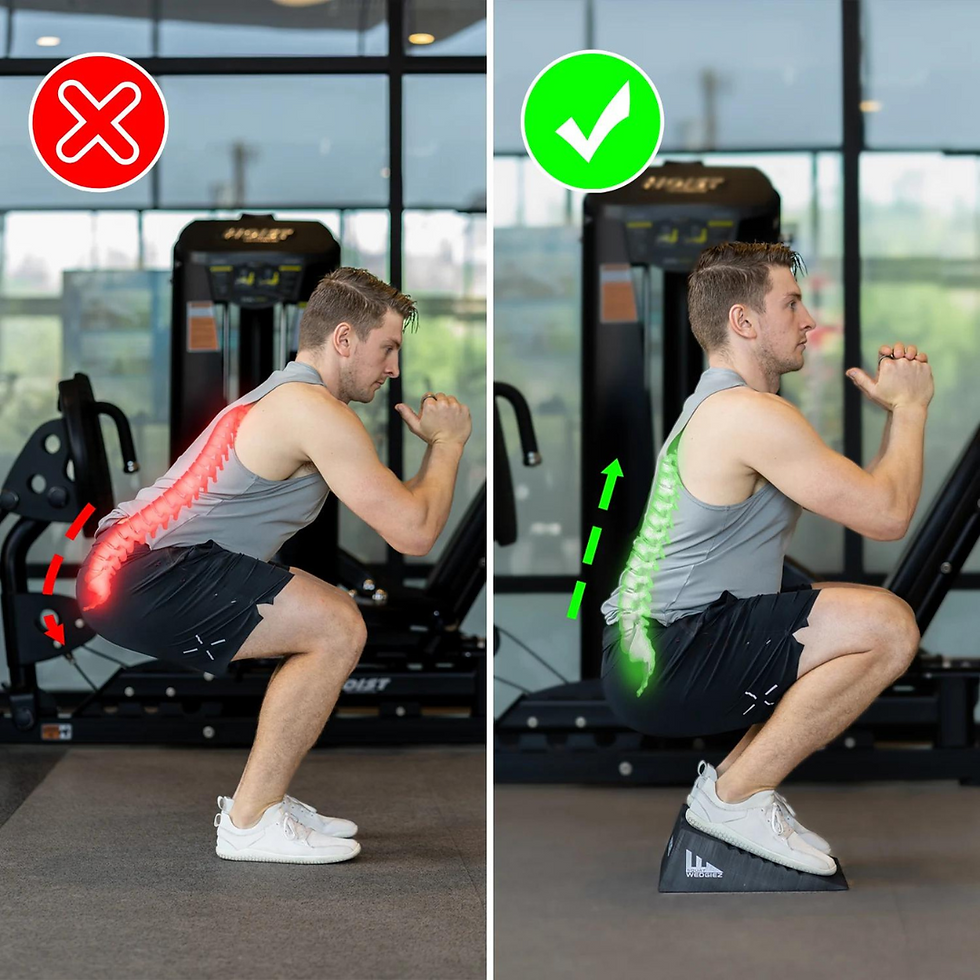
Mobility, on the other hand, is your ability to actively move and control a joint through its full range of motion. For example, being able to drop into a deep squat with good form.
This requires flexibility, strength and control to safely move through that position without compensation or overload.
Limited mobility is commonly associated with poor squat mechanics, reduced athletic performance and increased injury risk during training.

Poor mobility can contribute to issues such as back pain, lower back pain and neck pain particularly in people who spend long hours sitting or training incorrectly.
Why the difference matters?
This is where things start to get interesting. A lot of people are actually flexible enough — but they don’t have control in that range. And that’s where problems tend to show up.
In many of the cases, the issue isn’t a lack of flexibility — it’s a lack of mobility and control. Your body doesn’t trust a range that it can’t control, so it creates stiffness and muscle tension as a protective response. This is something we commonly see in people dealing with recurrent gym injuries, persistent tightness or movement-related pain.
Stretching can temporarily improve how something feels. But if you don’t strengthen that range, control that range and actually use that range, the body will usually go back to where it started.
That’s why the feeling of “tightness” often keeps coming back unless the body learns how to strengthen and control that range properly. Simply stretching without improving movement control often doesn't address the underlying contributing factors.
What should you focus on?
For most people, the priority should be improving mobility, not just flexibility. That means moving with control and building strength through full range.
Our recommendations for your workouts:
Move the joints and muscles
Start with a 10–15 minute warm-up to prepare the joints, muscles and nervous system for movement and loading. Dynamic warm-ups can help improve mobility, reduce stiffness and decrease the risk of training-related injuries.
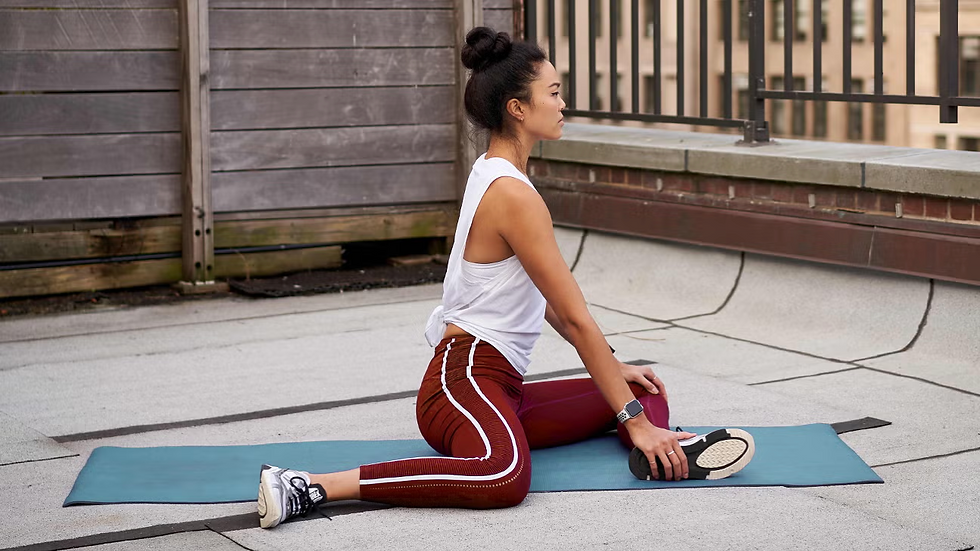
Use the roller, move your joints and dynamically stretch your muscles (don’t hold the position, just do oscillating movements – but remember, always in control).
If you want to go beyond and fully prepare your body, add a short core routine and activate the deep stabilizer muscles of the area you are going to work. For example, if you are doing upper body, add some rotator cuff activation, and if you are doing lower body like squats, add some hip rotators and flexors activation.
Start with low weight
Always start with low or no weight. See how it feels and repeat a couple of times in a very controlled and slow pace. If that feels okay, move on to the next step.
If you can’t comfortably reach the full range without weight, it may indicate mobility restrictions, weakness or poor joint control. Trying to force range or load too quickly often contributes to overload injuries and irritation. Adjust it, add some heel raisers, change the incline of the bench or just do it in shorter range. If you find a comfortable range, you may want to stay there and work on that, with or without weight, but definitely with a correct form.
Don’t push it, work with what you are able to do and stay consistent – That way your body will build up the strength, and you'll be nailing that exercise before you know it.Remember, always quality before quantity. Proper technique and gradual progression are key parts of long-term injury prevention and performance.
Perform the exercise slow and controlled
If you were able to find that sweet spot of good form, add those weights, strengthen those muscles within that range to improve joint stability, control and movement efficiency. Controlled strengthening is an effective way to build long-term mobility that actually transfers into training and daily activities.
Finish with a nice stretch/recovery
After you’ve done all the work, give your muscles and joints a bit of love.
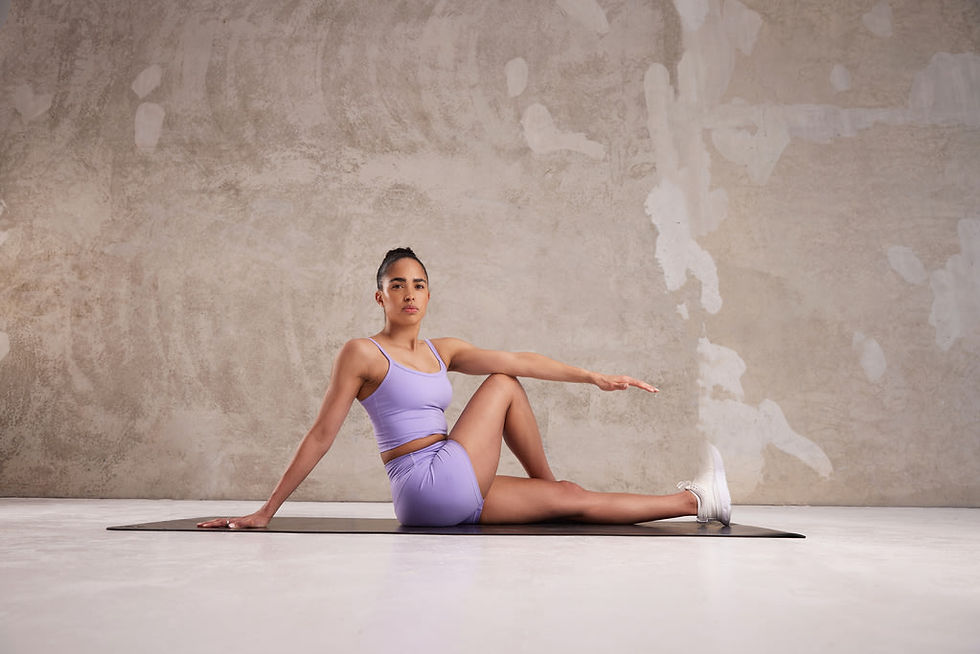
Use the roller, go the sauna, immerse yourself in the spa and/or stretch your muscles (now is a good time to hold the position and give your muscles that relaxation input). Recovery strategies such as mobility work, stretching and soft tissue treatment can help reduce post-training stiffness and improve recovery.
**When should you focus on flexibility?
For the average gym-goer or runner, flexibility alone is rarely the missing piece, but in very stiff individuals, after certain injuries, surgeries or periods of inactivity, restoring flexibility can become an important part of rehabilitation.
If that’s you, then you should spend a lot more time on the initial warm up and the final cool down, pushing those muscles to stretch. However, never forget to work on your mobility and strengthening within the range you need.
How Physio K can help you stop feeling “stiff”
Getting rid of that stiffness feeling can be a bit challenging because your joints have been in protection mode for a while and your muscles have been building up tension for years.
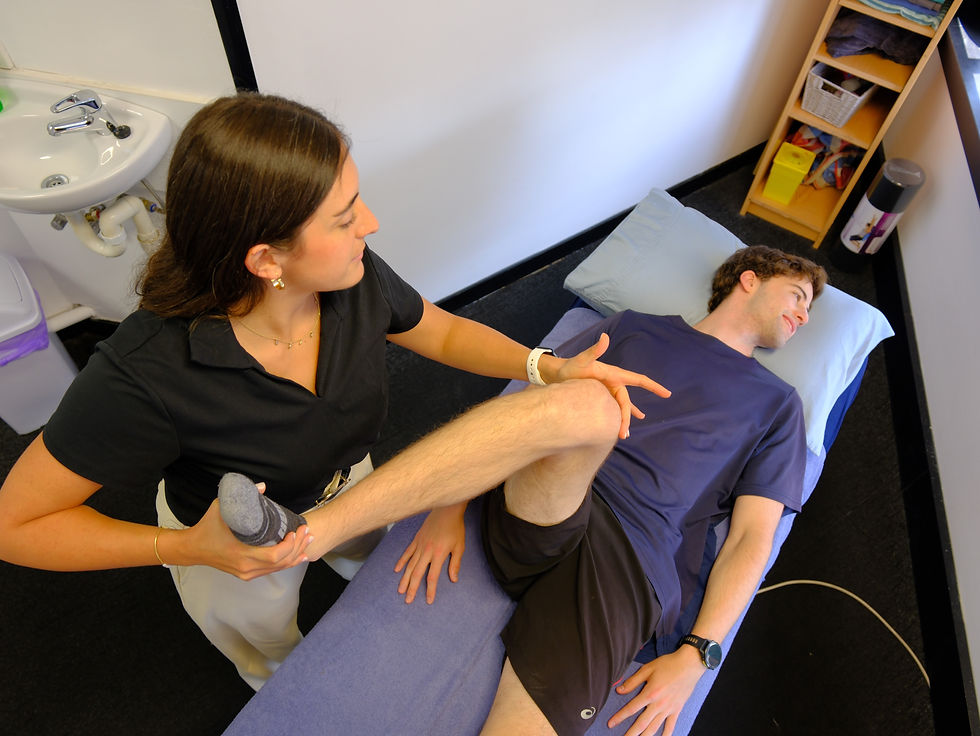
Our team at Physio K can help you get back on track by releasing joint stiffness with manual therapy, restoring muscle function with dry needling and giving you a tailored exercise program that aligns with what you and your body needs.
At our physio clinic in Bondi Junction, we can assess your movement, identify what’s limiting you, and build a plan that actually works for your body. Our goal is not just to improve range, but to make sure your body can use it. A personalised approach including holistic physiotherapy and strength-base rehabilitation often supports good long-term results.
Ready to move better? Book an appointment with our physio team in Bondi Junction today.


Comments