
At Physio K, our massage therapy uses targeted hands-on techniques to reduce pain, improve movement and support recovery from sports injuries, overuse problems and chronic muscle tightness. Treatment is paced around how your body responds, and it works alongside our physiotherapy team when you need strength or movement work as well.
At a glance
What's offered: Deep tissue massage, myofascial release (working the connective tissue around muscles), trigger point therapy (treating tight, tender spots in muscle), and assisted stretching, tailored to your body's response
May help with: Muscle strains, tight hamstrings or calves, shoulder and neck tension, lower back stiffness, delayed soreness after training, tendon pain (such as tennis elbow or Achilles issues), and joint-related tightness
Who it's for: Active adults managing recurring tightness or old injuries, people in their forties to sixties dealing with chronic stiffness, athletes in training or recovery, and anyone wanting practical tools to manage their body long term
Location: Physio K, Bondi Junction
How to book: Call the clinic or book online
What Is Massage Therapy?
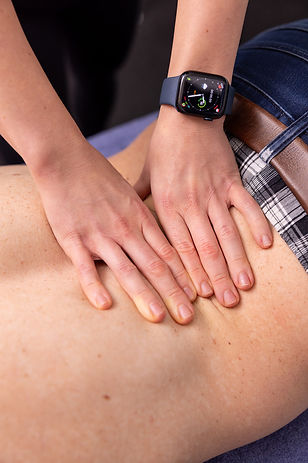
"Massage" is a broad word, and not everyone knows the difference between a spa or relaxation massage and a sports or remedial massage. Ours is treatment-focused. We use manual techniques to work on the muscles, tendons and other soft tissues, with the aim of easing pain, reducing muscle tension and improving how you move.
It's used for a range of problems, from acute injuries to joint-related pain and the stiffness that builds up from sport, work or daily life. It supports circulation, joint mobility and general muscle recovery.
Sports massage and remedial massage
Sports massage
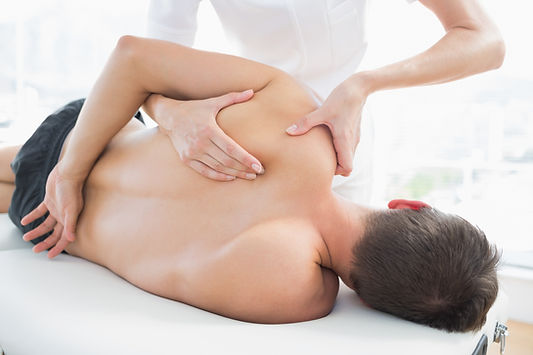
Sports massage supports active people and athletes. It addresses muscle imbalances, reduces muscle tension and improves flexibility and range of motion. Athletes often use it during training and before or after competition to support recovery and help manage injury risk.
Remedial massage
Remedial massage treats musculoskeletal conditions and injuries with targeted manual techniques. It helps with pain, supports function and aids healing by addressing the soft-tissue factors that contribute to the problem.
Who can benefit
-
Athletes and active people, to recover between sessions and keep up training volume
-
Everyday movers, whether you're preparing for a marathon or just want to keep up with daily tasks without pain
-
People recovering from a more serious injury, where massage can complement your physiotherapy
-
People back at full activity, who want to stay on top of the niggles that appear as training volume and intensity increase
Our techniques
We use these techniques on their own or in combination, depending on what you need:
-
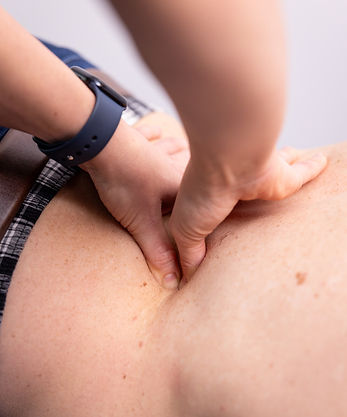
Deep tissue massage: slow, firm work on deeper layers of muscle to ease tightness and tension
-
Myofascial release: working the connective tissue that wraps muscles, to reduce discomfort and improve mobility
-
Trigger point therapy: treating tight, tender spots in muscle, which can refer pain to other areas of the body
-
Assisted stretching: guided stretching to restore range of motion
Dry needling is available through our physiotherapy team, who can combine it with your massage treatment where it suits you.
Our approach: nervous system first, tissue second
Treatment at Physio K is paced around how your body responds in the moment, not a fixed routine.
Sessions are slower and more deliberate, with pressure adjusted throughout. We also check in with you during treatment, because understanding the difference between useful discomfort and pain matters for how we progress.
Massage and physiotherapy together
Physiotherapy and massage therapy approach the problem from different angles, and they work well together. Physiotherapy looks at why the problem started and builds strength and movement. Massage therapy releases tension in the soft tissues and helps your body settle, so you respond better to rehab.
Our massage therapists and physiotherapists work as one team. For chronic issues, your massage therapist may bring in a physio, particularly if strength or movement work needs to happen alongside hands-on treatment. We also include movement in your plan, with appropriate exercises to support the treatment.

What to expect at your first session
Here's how it goes:
-
A short chat. We ask what's going on, when it started, what makes it better or worse, and what you want to get back to doing.
-
Hands-on treatment. We start working on the problem area straight away. Treatment is slow and deliberate, and we adjust the pressure as we go and check in with you, so it stays comfortable and useful.
-
A plan before you leave. We tell you what we found, what to expect over the next few sessions and what you can do at home between visits.
How many sessions will I need?
For one-off tension issues, you might notice relief within a session or two. For chronic problems that have built up over years, plan on four to eight sessions, weekly at first, then tapering as things improve. The goal is to help you manage your own body long term, not to keep you coming in forever.
What the research shows
Sports massage and soft tissue therapy reduces pain and improves movement in people with muscle injuries, overuse problems and chronic tightness when used as part of broader rehabilitation. A 2026 systematic review in IGI Active Living and Health Insight, synthesising 23 studies with 1,456 participants, found moderate-quality evidence supporting sports massage as an adjunct therapy for muscle injury rehabilitation, particularly for pain reduction, faster functional recovery and improved range of motion when combined with exercise-based rehabilitation.
For delayed onset muscle soreness, a 2026 meta-analysis in the same journal concluded that massage therapy is an effective complementary intervention for sports-related muscle injuries, optimising pain relief, attenuating delayed onset muscle soreness and accelerating functional recovery, with deep tissue massage 40 to 60 minutes twice weekly emerging as an optimal protocol.
A 2016 systematic review in Manual Therapy found that myofascial release, localised relaxation massage and movement re-education can provide clinically meaningful improvements in pain and function for conditions such as lateral epicondylitis (tennis elbow), plantar fasciitis (heel pain) and carpal tunnel syndrome when used within multimodal care. A 2015 review in Journal of Physiotherapy, covering 26 randomised trials with 2,565 participants, found massage therapy provided short-term pain reduction for shoulder pain and knee osteoarthritis, and short-term functional improvement for low back pain, knee arthritis and shoulder pain.
A 2020 systematic review in BMJ Open Sport & Exercise Medicine, covering 29 studies with 1,012 participants, found sports massage did not improve strength, jump, sprint, endurance or fatigue, but produced small, statistically significant improvements in flexibility and delayed onset muscle soreness compared with control conditions.
Why choose Physio K for massage therapy
Experience in sports therapy: a team with in-depth knowledge of human anatomy, particularly musculoskeletal anatomy
A considered approach: movement assessments help us find the problem soft-tissue areas, and we choose techniques to match
Movement built in: we prescribe and encourage exercises that support the hands-on work
Coordinated care: massage and physiotherapy under one roof, with the team talking to each other about your plan
Where we treat
Our clinic is in Bondi Junction. We also see people from nearby areas, including Bondi Beach, Waverley, Tamarama, Bronte, Clovelly, Randwick, Woollahra, Paddington, Darlinghurst, Bellevue Hill, Double Bay, Rose Bay, Dover Heights and Vaucluse.
Massage or physio first? When to get assessed
Start with one of our physiotherapists if you have sudden severe pain, numbness, weakness, or concerns about a structural injury. For chronic tightness, overuse problems or recurring stiffness where nothing is structurally damaged, massage is often a good fit, and we'll bring in a physio if you need strength or movement work.
Seek urgent medical help (your GP, an emergency department, or call 000) if you have new difficulty controlling your bladder or bowel, numbness around your groin or backside, or weakness that is getting worse.
Common questions
Is this just a relaxation massage, or is it treatment-focused?
It's treatment-focused. The techniques are deep tissue, myofascial release and trigger point work, but the goal is to address pain, stiffness or movement problems. Sessions are paced around how your body responds and often sit alongside physiotherapy.
Is sports massage right for my injury, or do I need physio instead?
If you have sudden severe pain, red-flag symptoms (such as numbness, weakness or loss of control), or structural concerns, start with a physio for a proper assessment. For chronic tightness, overuse injuries or recurring stiffness, massage is often a good fit.
Does it hurt?
You may feel useful discomfort, but it shouldn't be sharp or something you have to brace against. We adjust pressure throughout and check in with you, so tell us if it's too much.
How many sessions will I need before I feel a real change?
You may notice relief within a session or two for simple tension. Long-standing problems usually take four to eight weekly sessions, then tapering.
Can I combine massage with physiotherapy?
Yes. Many of our clients do. Your therapists work together, so your hands-on treatment and rehab support each other.
Do I need a referral?
No referral is needed to book. Some private health or funding schemes may have their own requirements, so check with your provider.
This article is for general information only and is not a substitute for personal medical advice. If you have concerns about your health, please consult a qualified clinician or your GP.